Choosing the right contractor can shape the entire outcome of a development project. Whether the project is commercial, industrial, aviation, medical, or high-end residential, developers need more than a company that can submit a number on bid day. They need a reliable general contractor who understands planning, communication, budget discipline, permitting, trade coordination, and long-term value.
Experience Across Project Types Matters
A developer’s needs are rarely one-dimensional. One project may involve a commercial build-out, while the next may involve site coordination, industrial space, medical office requirements, or a custom facility with specialized systems.
A contractor with experience across multiple sectors can bring a broader perspective to planning and problem-solving. That matters because development projects often involve unknowns that require experience, not guesswork.
Brandon Development Enterprises has worked across commercial, residential, industrial, aviation, and medical construction, giving the team a wide base of experience to draw from when evaluating project scope, construction challenges, and sequencing needs. For developers, that kind of range can be valuable when a project requires both practical execution and careful attention to detail.
Look for Clear Communication Early
Developers should pay close attention to how a contractor communicates before the project ever starts.
Are they asking informed questions? Are they identifying potential issues? Are they clear about what is included, what is not included, and where assumptions are being made? Strong communication during pre-construction is often a sign of how the project will be managed once work begins.
A general contractor should be able to talk through schedule expectations, permitting requirements, subcontractor coordination, material lead times, and budget risks in a clear and practical way. If communication is vague at the beginning, it usually does not become clearer once the pressure of the project increases.
Local Knowledge Can Save Time
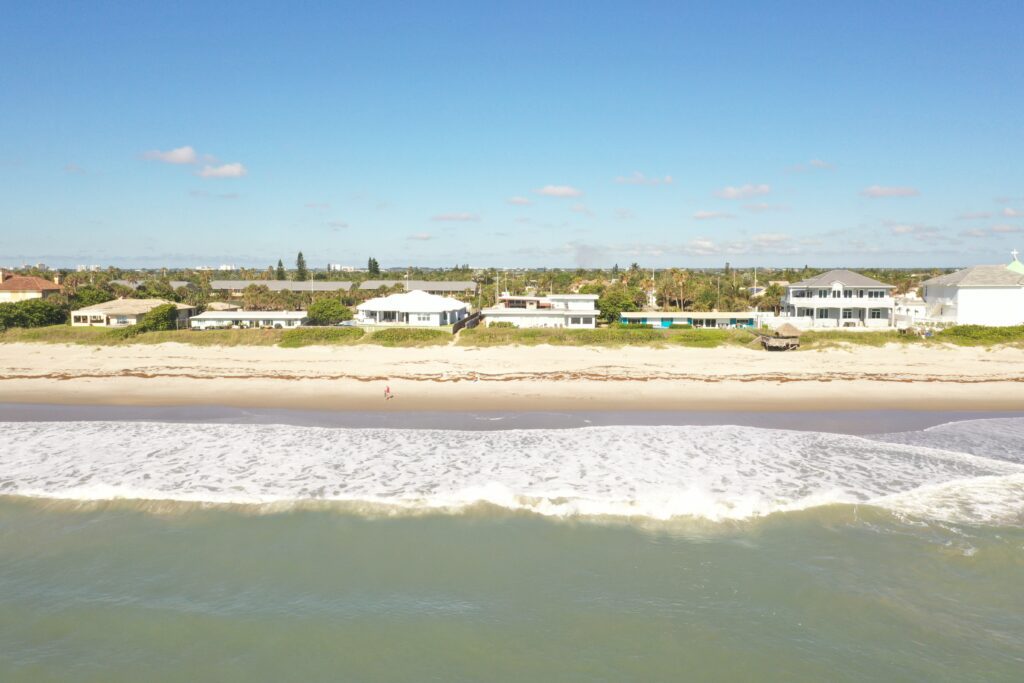
Developers working in Brevard County benefit from a contractor who understands the local environment. That includes municipal processes, code requirements, coastal conditions, weather considerations, subcontractor availability, and common inspection expectations.
Local knowledge does not replace formal requirements, but it can help the team anticipate the path ahead.
Brevard County’s Planning and Development Department oversees areas such as planning, zoning, building code, code enforcement, impact fees, and land development. Developers can review local information through the Brevard County Planning and Development Department.
Budget Discipline Is More Than a Low Bid
The lowest bid is not always the best number.
Developers should look closely at what is included in the scope, what may become a change order, and whether the contractor has accounted for the realities of the project. A low number that misses key details can create frustration later. A strong contractor helps developers understand the full picture before decisions are made.
This is especially important in projects where time, quality, and operational function all matter. A commercial space that opens late can affect revenue. An industrial facility with poor workflow can affect productivity. A medical space with weak planning can affect patient flow and compliance. Budget discipline means building a realistic plan, not simply chasing the lowest initial price.
Project Management Should Be Proven
Developers should ask how the contractor manages schedule, subcontractors, documentation, quality control, and communication.
A capable general contractor should have a process for keeping work organized from pre-construction through final punch list. That process should include clear responsibilities, regular updates, and accountability for each phase of the build.
The Florida Building Code is also an important part of construction planning in the state. Developers can review official information through the Florida Building Commission. A contractor who is familiar with code-driven requirements can help prevent avoidable issues during design and construction.
Look at Past Work and Relevant Fit
Past projects can tell developers a lot about a contractor’s capabilities.
A strong portfolio shows more than attractive finished photos. It shows the types of problems the contractor has solved, the scale of work they can manage, and the sectors they understand. Developers should look for relevant experience, not just general construction experience.
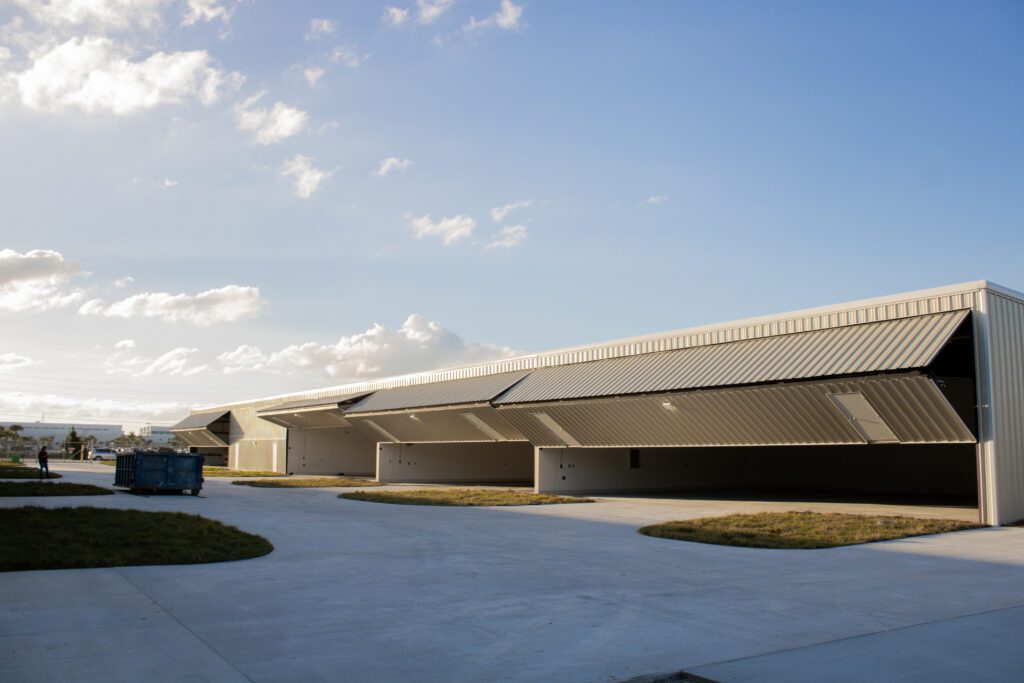
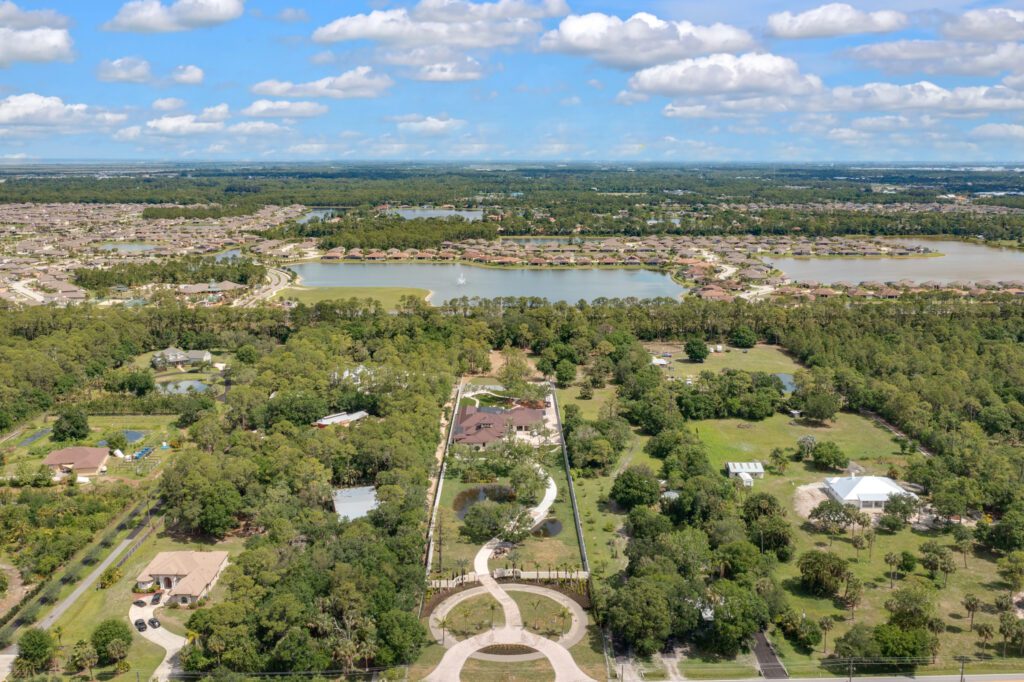
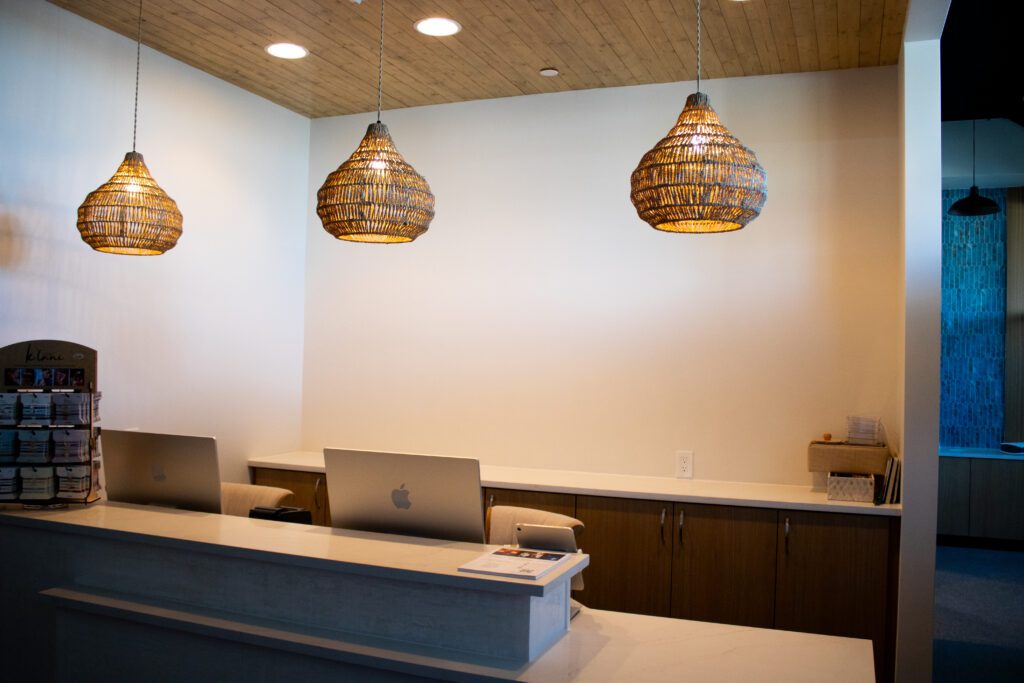
Brandon Development’s project portfolio includes work across residential, commercial, industrial, and aviation construction. For developers evaluating a construction partner, that kind of project history helps demonstrate familiarity with different building types, owner priorities, and coordination demands.
Choose a Contractor Who Thinks Long-Term
A development project is not successful simply because it gets finished. It is successful when the final building supports the owner’s goals, holds up over time, and creates long-term value.
Developers should look for a general contractor who thinks beyond the immediate build and understands how construction decisions affect future use, maintenance, leasing, operations, and resale value.
The right contractor brings clarity, discipline, and experience to the table early. For developers planning a project in Brevard County or throughout Florida, Brandon Development offers the experience and local knowledge needed to guide complex builds from planning through completion.