Starting a restaurant is exciting, but the construction side of the process is often more complex than many owners expect. Restaurant construction planning is not just about building a nice-looking space. It is about creating an environment that can handle kitchen operations, customer flow, sanitation requirements, code compliance, and the day-to-day demands of a food service business.
A restaurant has to do more than look good on opening day. It needs to function smoothly when the kitchen is busy, when staff are moving quickly, and when customers expect a clean, comfortable experience. That level of performance only happens when the project is planned carefully from the beginning.
Restaurant Construction Involves More Than a Standard Build-Out
Many commercial interiors share some basic construction needs, but restaurants bring a completely different layer of coordination. A typical retail build-out may focus heavily on layout and finishes. A restaurant must account for grease management, ventilation, fire suppression, plumbing loads, kitchen equipment, refrigeration, and health-related requirements at the same time.
That is why restaurant projects should never be approached casually. What looks like a simple dining room from the front often has a highly technical back-of-house system supporting it. Owners who begin with an experienced contractor are usually in a much better position to avoid delays and expensive redesigns later. Brandon Development’s experience in commercial construction reflects how much planning goes into specialized spaces that need to perform, not just impress.
Layout Affects the Entire Operation
A strong restaurant layout does more than make the space feel organized. It affects how quickly staff can work, how safely they can move, and how efficiently customers are served. If prep, cooking, plating, storage, and cleanup are not positioned thoughtfully, the result can be constant bottlenecks and wasted motion.
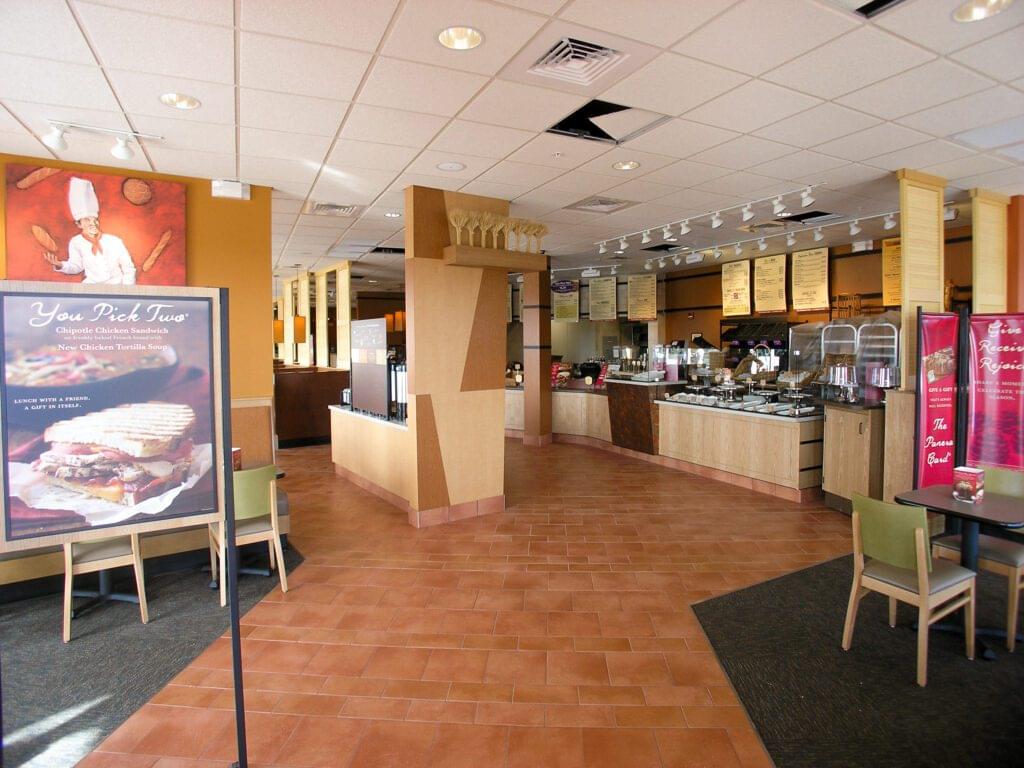
This matters just as much in the front of house. Pickup areas, seating flow, restroom access, waiting zones, and point-of-sale placement all influence how guests experience the business. A restaurant can have beautiful finishes and still frustrate both employees and customers if the layout does not support the real use of the space.
Good builders and designers think beyond appearances. They want to understand how the business will operate in practice. That is often what separates a polished, functional restaurant from one that feels difficult to run within the first few weeks of opening.
Kitchen Systems Must Be Planned Early
One of the most common mistakes owners make is assuming equipment decisions can wait until later. In reality, commercial kitchen requirements shape the construction process from the start. Hood systems, drainage, gas lines, dedicated circuits, water access, refrigeration, and clearances all need to be coordinated well before final installation.
The FDA Food Establishment Plan Review Guide emphasizes the importance of early plan review because equipment and layout choices directly affect food safety, compliance, and functionality. That guidance matters because restaurant construction does not offer much room for guesswork.
If these systems are handled too late, owners often end up facing change orders, schedule setbacks, or compromised layouts. The smoother path is to make sure construction, design, and equipment planning all speak to each other from the beginning.
Ventilation and Fire Protection Are Critical
Commercial kitchens introduce serious ventilation and fire safety demands that should never be treated like minor details. Exhaust systems, grease-laden vapor control, and fire suppression must be designed and installed properly to protect both the building and the people working in it.
The NFPA 96 standard overview makes clear that commercial cooking operations require specific protections to reduce fire hazards. For owners, that means working with a construction team that understands the importance of coordination between kitchen design, mechanical systems, and code compliance.
This is one of those areas where rushing can become very expensive. If the hood system, suppression system, and utility planning are not aligned, the corrections later can be painful.
Permitting Can Shape the Timeline More Than Owners Expect
Restaurant projects usually involve more reviews than a typical tenant build-out. In addition to standard building approvals, owners may also be dealing with local health department requirements, fire marshal review, accessibility compliance, and mechanical approvals.
That is why permitting should be part of project strategy, not just a box to check once drawings are complete. The earlier those approvals are considered, the better the chances of avoiding avoidable downtime.
For owners evaluating commercial projects, looking at an experienced contractor’s project portfolio can be helpful because it shows whether they have handled spaces where coordination and compliance truly matter.
The Best Restaurant Spaces Balance Atmosphere and Performance
Of course, the guest experience still matters. Lighting, materials, acoustics, and overall atmosphere shape the brand and the feel of the restaurant. But none of that should come at the expense of function.
The strongest restaurant projects are the ones where the dining area feels intentional, the kitchen works efficiently, and the systems behind the walls support long-term performance. Owners should be looking for a contractor who understands both sides of that equation.
At Brandon Development, commercial spaces are approached with that balance in mind. It is not enough for a restaurant to simply open. It should be built to operate well for years to come. Owners who want to start the process with the right team can learn more through Brandon Development’s commercial construction services or contact page.