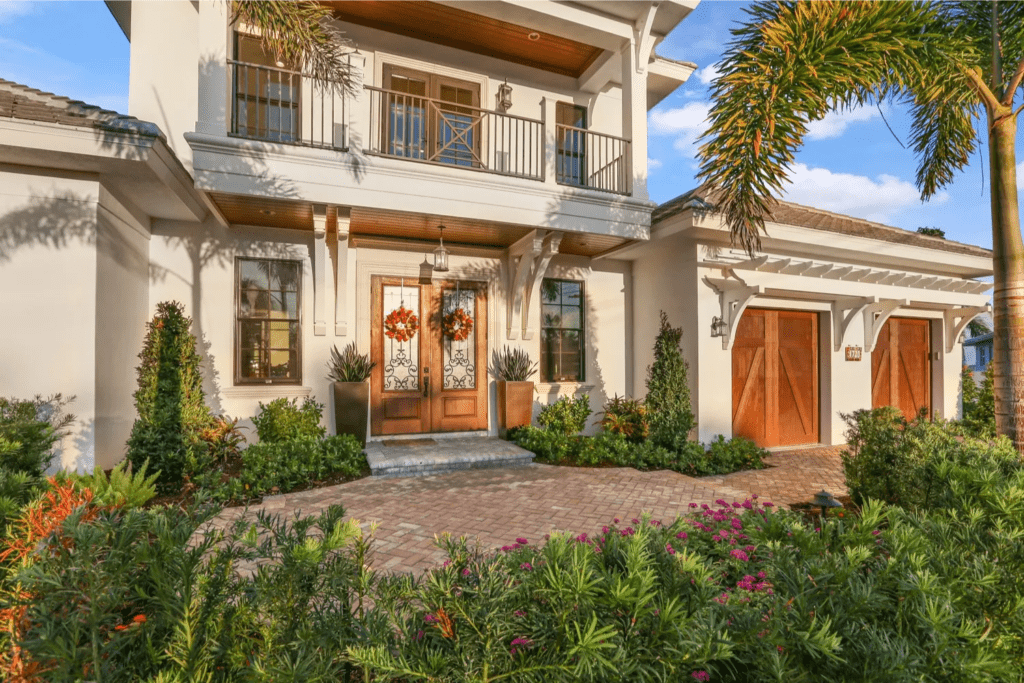
Designing a luxury home is not just about creating something beautiful today, it is about ensuring that the home remains functional and valuable for decades. A well-designed home should evolve with your lifestyle while maintaining its integrity.
Prioritize Timeless Architecture
Trends come and go, but timeless design lasts. Clean lines, balanced proportions, and natural materials age far better than trend-heavy features.
Principles outlined by American Institute of Architects design standards → emphasize longevity and usability over short-term trends. Homes built with timeless design principles tend to retain their appeal and avoid the need for major aesthetic updates.
Invest in Quality Materials
High-end homes require materials that withstand time and environmental conditions.
In Florida, this means moisture-resistant, corrosion-resistant, and weather-tested materials that reduce long-term maintenance costs. Investing in higher-quality materials upfront helps avoid expensive replacements later and ensures the home maintains its premium feel.
Design for Flexibility
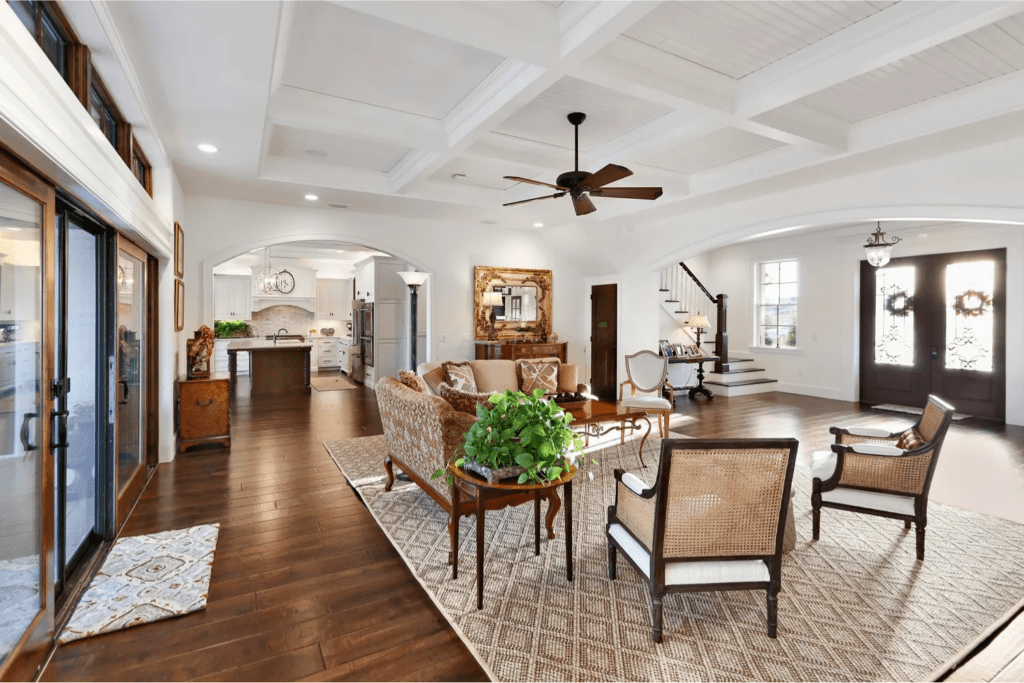
Flexible spaces allow your home to evolve with your needs. Multi-use rooms, home offices, and adaptable layouts prevent costly renovations later.
For example, a space that functions as a home office today can easily transition into a guest suite or additional living area in the future. Designing with flexibility ensures the home remains functional across different life stages.
Focus on Functional Layouts
Flow between spaces, natural lighting, and efficient layouts are key to long-term livability.
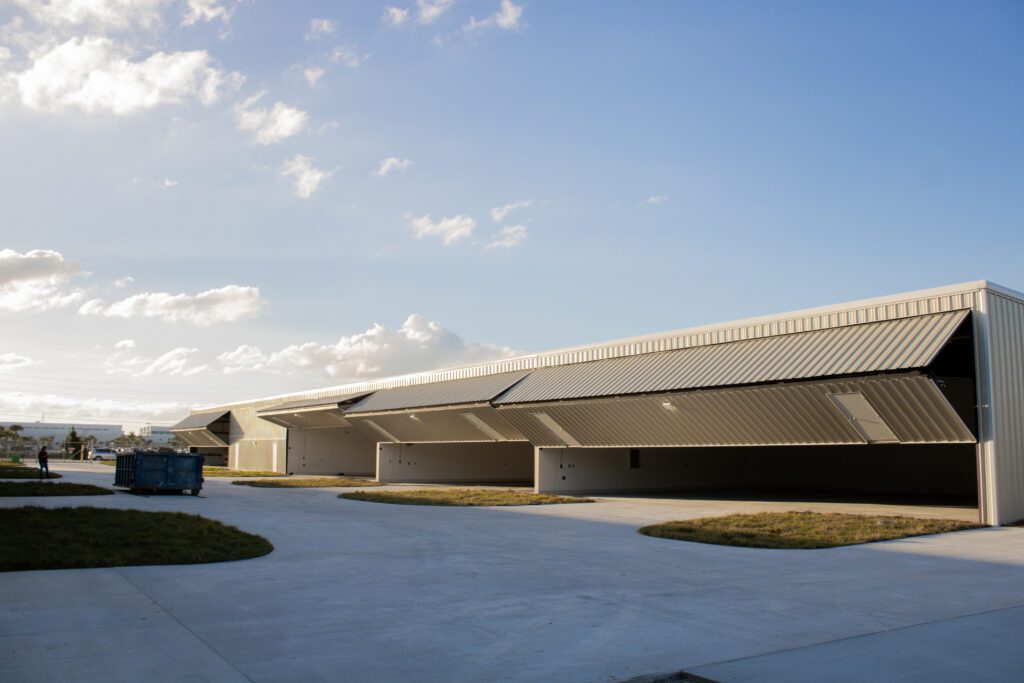
You can see this level of intentional planning in projects like custom aviation facility layouts →, where function and design must work together seamlessly. The same principle applies to residential design, where usability is just as important as aesthetics.
Incorporate Durable Technology
Smart home systems should be scalable and widely supported.
Guidelines from U.S. Green Building Council sustainability standards → emphasize long-term efficiency and performance. Choosing systems that can evolve with technology ensures your home stays modern without requiring full system replacements.
Plan for Maintenance and Upkeep
Even the best-designed homes require maintenance. Designing with accessibility in mind makes upkeep easier and more cost-effective.
This includes selecting materials that are easy to clean, systems that are simple to service, and layouts that allow for easy access to key components. Planning for maintenance reduces long-term stress and cost.
Lifestyle and Resale Considerations
A well-designed luxury home should also consider future resale value. Neutral design elements, functional layouts, and durable materials appeal to a broader range of buyers.
Homes that balance personalization with universal appeal tend to perform better in the market over time.
Final Thoughts
Designing a luxury home that lasts requires intentional decisions around materials, layout, and long-term usability. A well-thought-out design ensures your home continues to deliver value and comfort for decades.