Building a custom home in Central Florida often surprises homeowners when early budgets exceed expectations. But higher cost reflects engineering, customization, regulatory compliance, skilled labor, and long-term durability.
It is built for performance.
A custom residence is not simply a larger version of a production home. It is engineered around the property, the lifestyle of the owner, and the environmental demands of the region. That level of intentionality carries both complexity and value.
Precision Over Volume
Production builders rely on standardized plans and repetition. Custom builders engineer site-specific solutions.
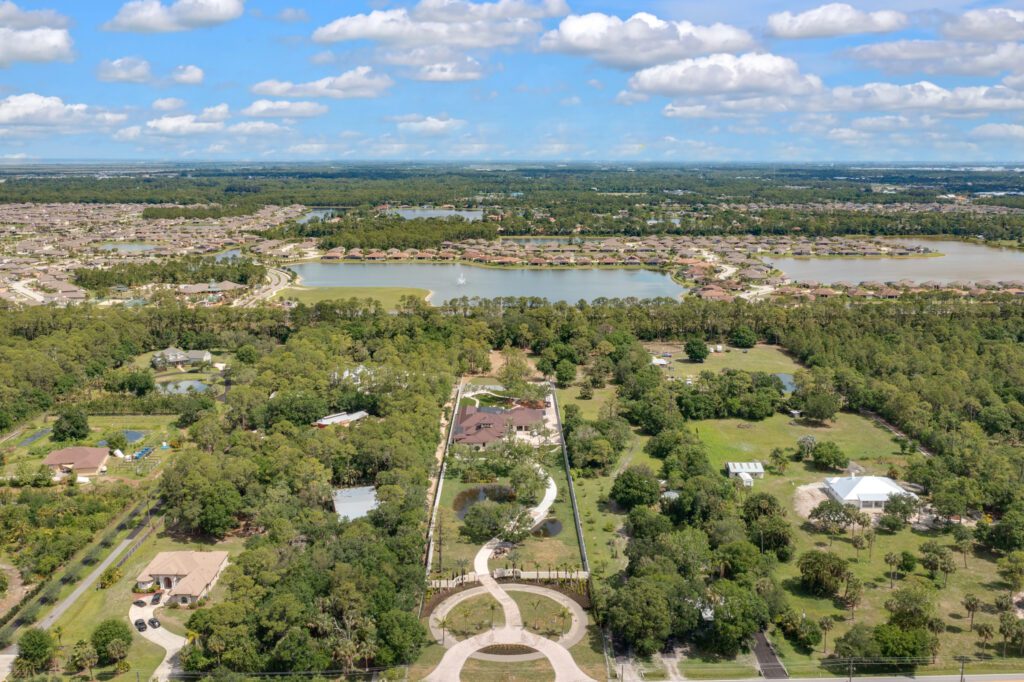
A custom home in Central Florida requires unique design, tailored mechanical systems, and detailed coordination. Soil conditions vary across even neighboring lots. Drainage patterns, elevation requirements, and utility connections must be evaluated individually.
Unlike production neighborhoods where foundations are poured in sequence, custom homes demand engineering tailored to the exact site conditions. That precision requires structural review, geotechnical evaluation when necessary, and close coordination between architect and contractor.
The result is a home that fits its environment rather than forcing the environment to fit the plan.
Environmental Engineering Requirements
Central Florida weather includes high humidity and hurricane exposure. The U.S. Department of Energy outlines insulation and moisture management best practices for warm climates.
The Florida Building Code establishes structural wind resistance standards that significantly influence engineering decisions. Impact-rated glazing, reinforced framing connections, roof tie-downs, and energy-efficient envelope systems add measurable cost but deliver measurable protection.
Moisture management is equally critical. Improper vapor control or insulation placement can lead to long-term performance issues. A custom home in Central Florida incorporates engineered solutions that protect against mold risk, energy inefficiency, and structural deterioration.
Higher performance standards increase upfront investment but reduce long-term maintenance and insurance exposure.
Skilled Labor and Oversight
Custom homes require experienced subcontractors and disciplined project management. The National Association of Home Builders notes that construction quality strongly influences resale performance.
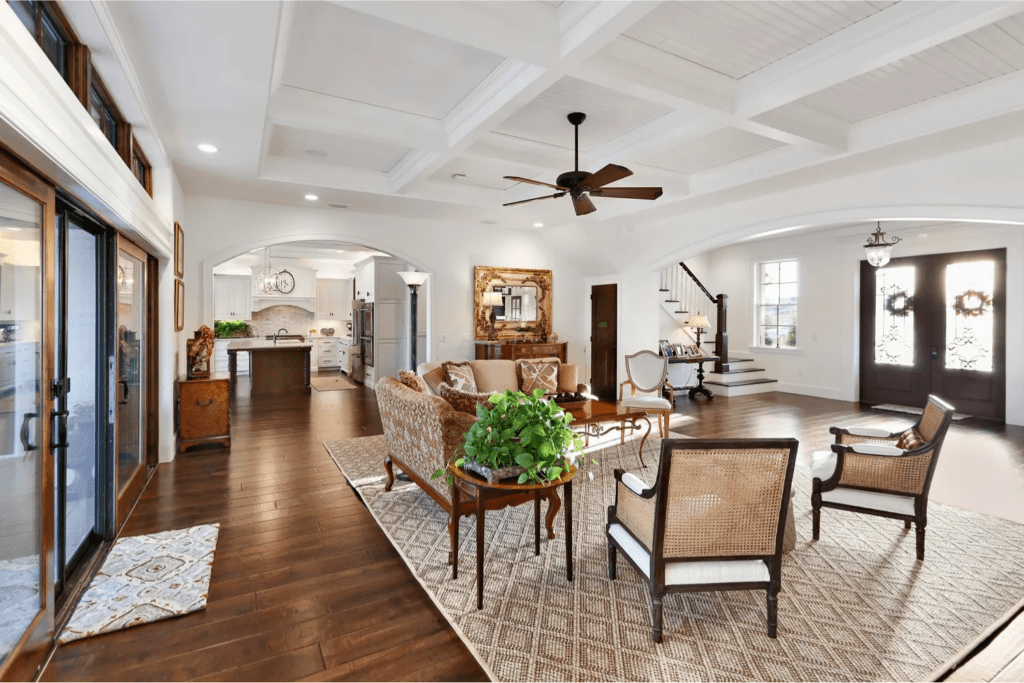
High-end finishes, specialty millwork, custom cabinetry, and architectural details demand craftsmen, not just installers. That caliber of labor commands higher rates, but it delivers precision that mass construction cannot replicate.
Project management oversight also increases with customization. Coordinating trades around unique design elements requires detailed scheduling, inspections, and quality control processes.
You can learn more about Brandon’s residential expertise on our Custom Home Construction page. Our team approaches each custom build with the same discipline we apply to commercial and industrial projects, emphasizing structure, integrity, and long-term performance.
The Long-Term Financial Perspective
Upfront cost is only part of the equation. Maintenance, insurance risk, energy efficiency, and durability matter equally.
A well-built custom home in Central Florida reduces repair expenses and strengthens resale positioning. Energy-efficient systems lower operating costs. Structural resilience improves insurability. Durable materials extend lifecycle value.
Custom homes cost more because they are built differently. They are engineered for performance, climate resilience, and long-term stability. And when executed correctly by an experienced team, that investment compounds in value over time.