Why This Is One of the Most Googled Construction Questions
This question shows up in Google because people want clarity early. Before they call a contractor, before they loop in partners, before they commit emotionally, they want a rough sense of whether a project is even feasible. That instinct is reasonable. Commercial construction is a major investment, and no one wants to walk in blind.
The problem is that cost per square foot sounds far more precise than it actually is. It feels like a shortcut to certainty, but in reality, it only scratches the surface.
Why Cost Per Square Foot Constantly Fluctuates
Square footage is just a measurement. It does not account for how a building functions, how it is built, or what it must comply with. Two buildings with the same footprint can end up with completely different scopes based on structural demands, mechanical systems, electrical loads, fire protection requirements, and local regulations.
Site conditions matter too. Soil quality, utilities, access points, and existing structures all influence how a project is constructed. Permitting requirements and inspection processes can also vary depending on use and location. None of that shows up in a per square foot number, yet all of it affects cost.
Project Types That Tend to Lean Pricier
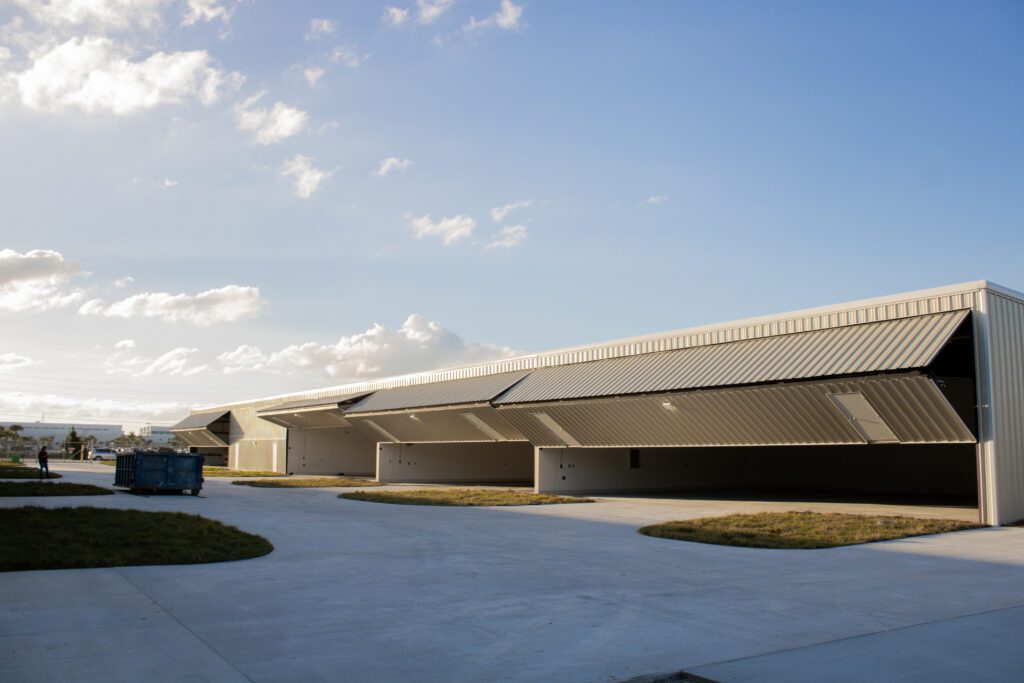
Some commercial projects naturally require more complexity. Medical facilities demand specialized infrastructure, strict code compliance, and redundant systems. Aviation and airport-adjacent construction involves heightened security, coordination with governing authorities, and specialty components like large hangar doors or reinforced slabs.
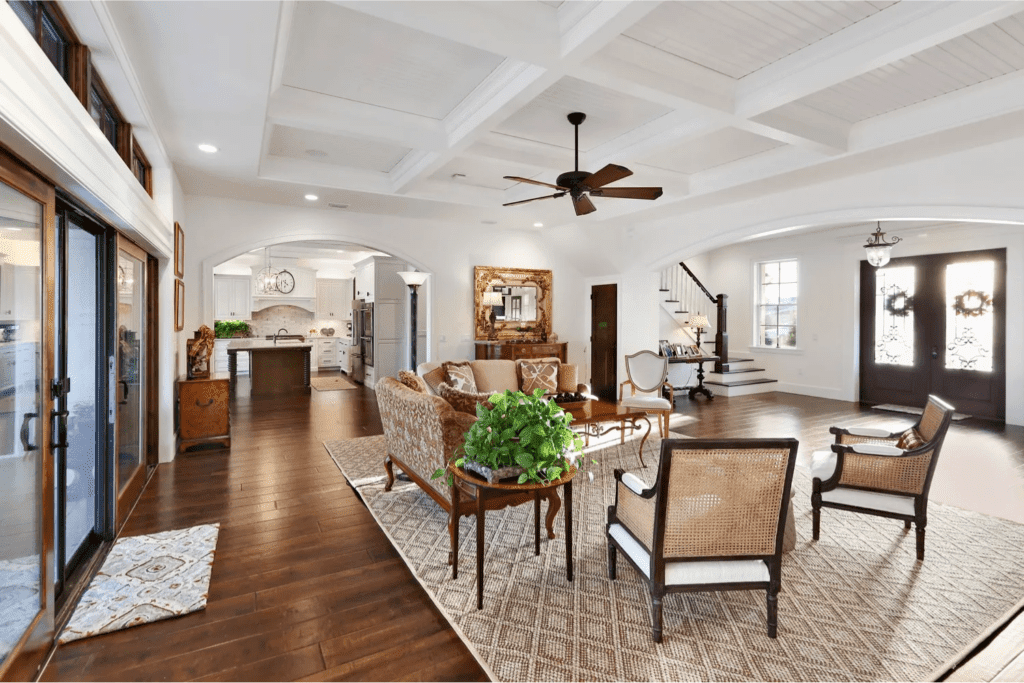
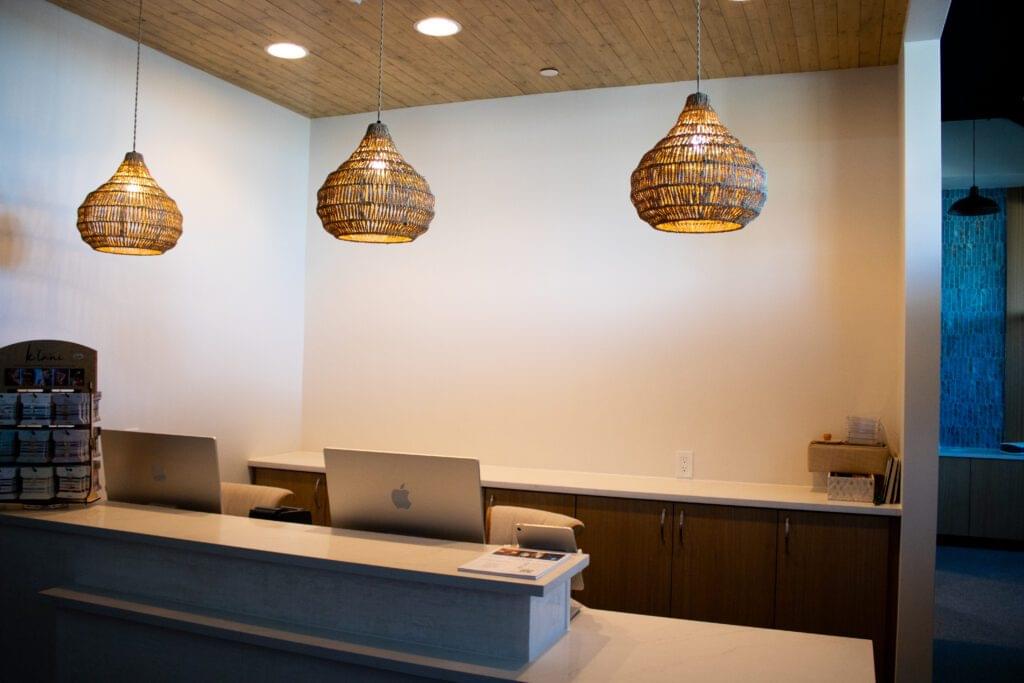
High-end commercial interiors also tend to push costs upward. Custom finishes, integrated technology, enhanced lighting design, and acoustic control all add layers of coordination and craftsmanship. These projects are not expensive because of size, but because of what is happening inside the space.
How Finishes and Systems Change Everything
Finishes are one of the most underestimated drivers of cost. Flooring systems, ceiling heights, lighting layouts, and millwork selections all affect labor, materials, and scheduling. Mechanical systems play an even bigger role. HVAC complexity, ventilation needs, and energy requirements can dramatically change how a building is designed and constructed.
Electrical demands vary widely depending on use. A simple office space and a high-tech facility may look similar from the outside, but they are entirely different projects behind the walls. These decisions define the project far more than square footage ever could.
Why Comparing Cost Per Square Foot Can Be Misleading
When people compare projects based on cost per square foot, they are often comparing apples to oranges. A warehouse shell, a medical office, and a restaurant may share similar dimensions but require vastly different systems, finishes, and approvals.
This is where frustration often begins. One project sounds cheaper on paper, but only because critical scope items were never included in the comparison. Cost per square foot without context creates false expectations.
The Right Way to Think About Budgeting a Commercial Project
A better approach is to start with purpose, not price. What will the building be used for? What level of finish is required? What systems are critical to operations? Answering these questions early creates clarity.
Pre-construction planning is where real budgeting happens. This phase allows teams to align scope, identify risks, and make informed decisions before construction begins. It replaces guesswork with strategy.
Cost per square foot can be a reference point, but it should never be the foundation of a budget. Successful commercial projects are built on clear goals, thoughtful planning, and realistic expectations set early. That is what protects both the project and the people behind it.