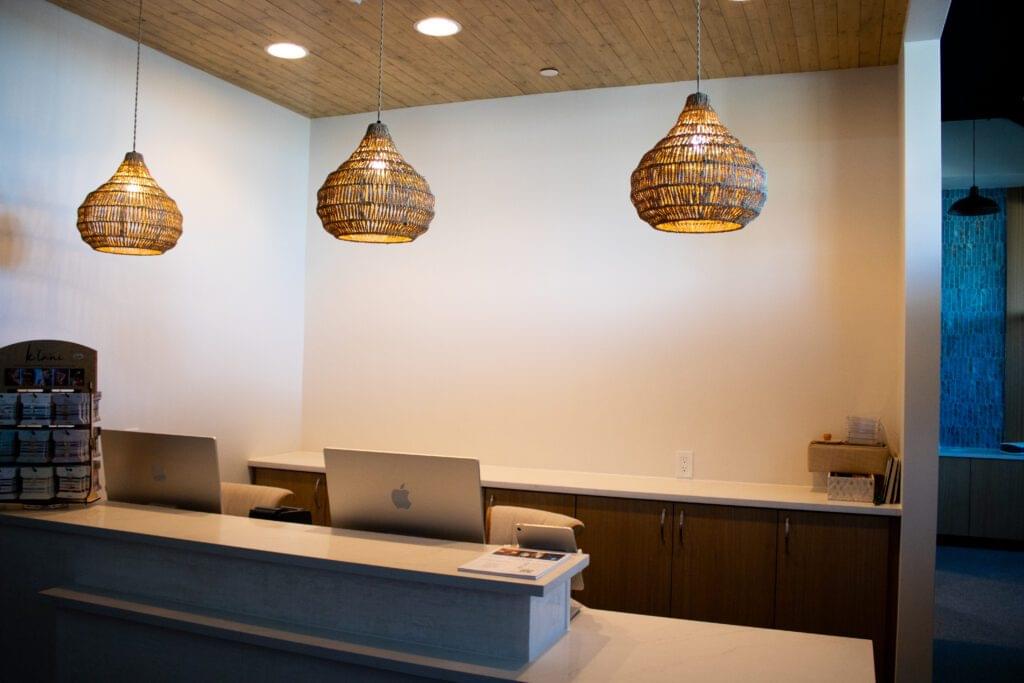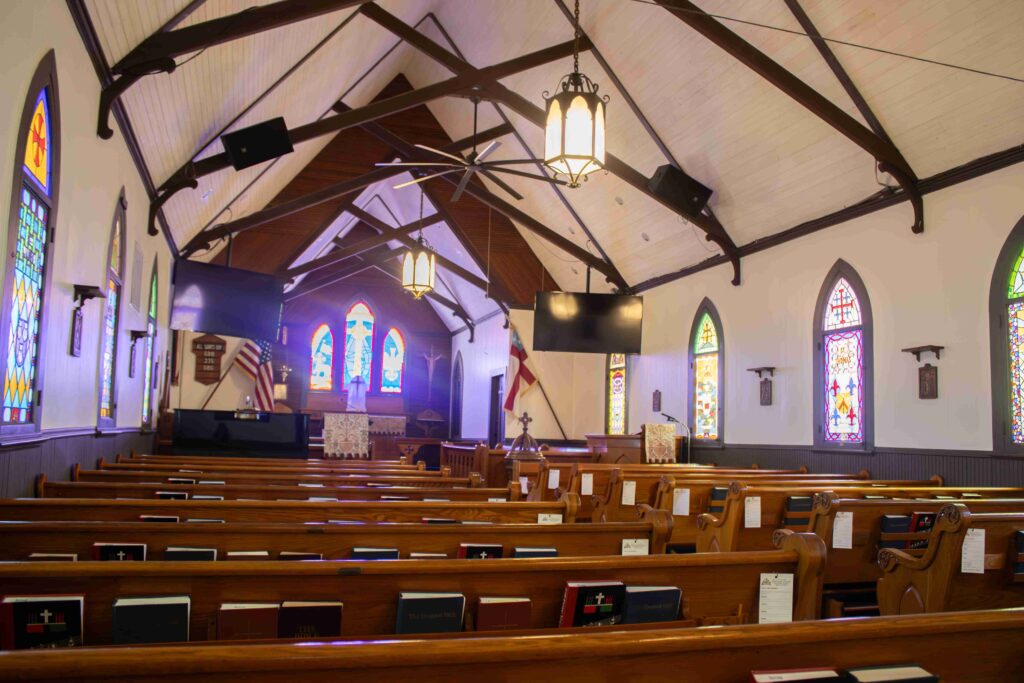
Florida’s skyline is changing, but not always from the ground up. Across Brevard County and the Space Coast, a growing number of developers are turning to adaptive reuse construction to transform outdated buildings into thriving modern spaces. From historic storefronts turned into cafés to warehouses reimagined as high-end offices, adaptive reuse represents the future of sustainable and creative commercial development.
What Is Adaptive Reuse?
Adaptive reuse is the process of repurposing existing buildings for new uses while maintaining their original structure and character. Rather than demolishing and rebuilding, developers reimagine what’s already there. This approach not only preserves a piece of community history but also reduces the waste, energy consumption, and emissions associated with new construction.
For instance, older structures built with durable materials, like concrete block or steel, often have decades of life left. By integrating modern systems such as upgraded HVAC, plumbing, and electrical, these buildings can be reborn to meet today’s codes and efficiency standards.
Economic and Environmental Benefits
Adaptive reuse projects often cost less than starting from scratch. Demolition, permitting, and site prep are significantly reduced, which translates to both time and financial savings. In addition, local and federal tax incentives may apply to projects that preserve historically significant structures, making them even more attractive for investors.
From an environmental perspective, adaptive reuse dramatically reduces landfill waste and the carbon footprint of construction. Every ton of concrete or steel that stays in place prevents new materials from being manufactured and transported, one of the largest contributors to greenhouse gas emissions in the building industry.
The Engineering Behind the Beauty
While adaptive reuse celebrates creativity, it requires a deep understanding of structural engineering and code compliance. Older buildings often have unique load paths, outdated utility systems, or limited accessibility. Successful transformation means assessing each component, from foundations to fire ratings, and bringing it up to modern standards without erasing its history.
At Brandon Development, every adaptive reuse project begins with a comprehensive structural assessment. Engineers and designers collaborate to identify what can be preserved, what must be upgraded, and how to blend old-world craftsmanship with modern functionality. The result is a seamless fusion of strength and style.
Revitalizing Communities
Beyond the walls of the building, adaptive reuse brings vitality to entire neighborhoods. A once-vacant warehouse district can become a hub for innovation, dining, and tourism. Small towns see economic renewal when historic main streets are restored rather than replaced.
For Brevard County, where development pressure meets a desire for authenticity, adaptive reuse provides a balanced path forward. It respects Florida’s architectural heritage while fueling growth for a new generation of business owners.
The Brandon Development Approach
With nearly 30 years of experience, Brandon Development Enterprises has led multiple adaptive reuse projects that blend form, function, and heritage. Each build is carefully managed to meet Florida’s demanding codes for safety, accessibility, and energy efficiency, while maintaining the original charm that makes the structure unique.
Adaptive reuse isn’t just about saving old buildings; it’s about honoring craftsmanship, reducing waste, and creating spaces that inspire.
Explore some of our commercial build outs here.