When you live on Florida’s coast, your home faces challenges that few other regions experience. The same salty breeze that makes coastal living so desirable is also the primary culprit behind corrosion, leaks, and premature material failure. Among all the home elements affected by these conditions, windows are among the most vulnerable. Choosing the right type of window, both in material and installation, can drastically improve your home’s comfort, efficiency, and long-term durability.
Understanding the Challenge
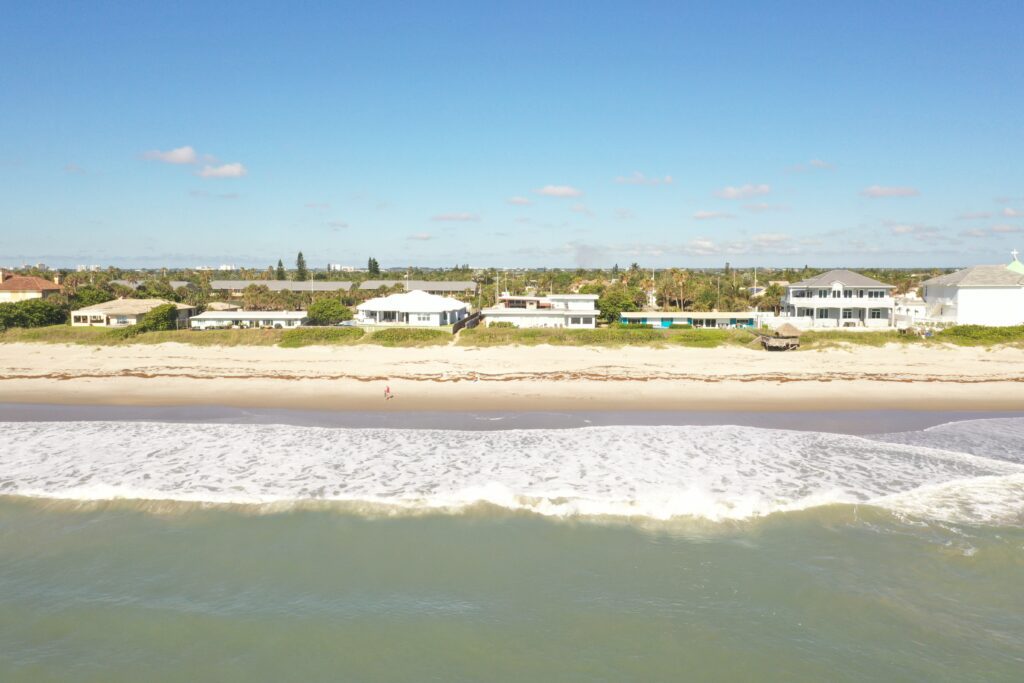
The coastal environment of Brevard County exposes homes to continuous salt-laden air, extreme humidity, intense sunlight, and fluctuating temperatures. Over time, these factors accelerate material degradation, causing frames to warp, seals to crack, and energy bills to rise. For many homeowners, this cycle becomes an expensive pattern of repair and replacement every few years.
That’s why modern energy-efficient window systems are designed not only to block heat but also to endure harsh conditions. They’re engineered using science-backed principles that improve insulation, reduce thermal transfer, and protect the home’s structural envelope from moisture intrusion.
Low-E Glass: The Invisible Shield
The foundation of every high-performance window is Low-Emissivity (Low-E) glass. This technology uses a microscopically thin metallic coating that reflects infrared light, preventing excess heat from entering during summer and escaping during winter. In Florida, where cooling costs dominate energy bills, Low-E coatings can lower indoor temperatures by several degrees, easing the strain on HVAC systems and saving homeowners hundreds of dollars annually.
Some advanced versions of Low-E glass even block up to 99% of UV rays, reducing fading on flooring, furniture, and artwork, a common issue in sun-drenched coastal homes.
Frame Materials Built for the Coast
Equally important is the frame. While vinyl frames are popular nationwide for their affordability, they often struggle in humid, high-salt environments. Aluminum and fiberglass outperform vinyl in Florida’s coastal conditions. Aluminum offers strength and corrosion resistance when anodized or powder-coated properly, while fiberglass expands and contracts at the same rate as glass, minimizing seal failure and air leakage over time.
Composite frames, which combine materials like wood and polymer, have also emerged as a high-end solution, delivering both structural strength and thermal efficiency.
Sealing and Installation
Even the most advanced window can fail if installed incorrectly. Coastal building codes require specific flashing, sealants, and integration with the building’s water barrier system. Brandon Development’s teams take a meticulous approach, ensuring that each window is pressure-tested for water intrusion and properly sealed to resist both wind-driven rain and salt exposure.
Professional installation also ensures compliance with Florida’s strict wind-load requirements, which vary depending on proximity to the coastline and elevation.
The Payoff: Comfort, Protection, and Longevity
When done right, energy-efficient windows offer more than lower energy bills. They improve sound insulation, increase home value, and help maintain a stable indoor climate year-round. More importantly, they protect against moisture, a leading cause of mold, structural rot, and air quality issues in coastal regions.
For homeowners in Brevard County, upgrading to energy-efficient windows is not just a luxury; it’s a smart long-term investment in comfort and structural integrity.
Explore our custom residential projects here.