In commercial construction, many clients focus on visible details like design, finishes, and floor plans. But there’s one invisible factor that plays a massive role in building performance: acoustics. Noise control impacts everything from workplace productivity to patient health, and when it’s overlooked, the results can be costly.
Brandon Development understands that high-quality construction is about more than what you see, it’s also about how a building feels and functions. For offices, medical facilities, industrial buildings, and retail spaces, proper acoustic engineering is essential.
Why Noise Matters in Construction
Noise isn’t just an annoyance; it has measurable impacts. Research shows that employees in noisy offices are up to 30% less productive. Patients in noisy hospital environments have slower recovery rates. In schools, poor acoustics hinder student concentration. For industrial settings, excessive noise can even create safety hazards that put workers at risk.
Soundproofing Basics
Noise control begins with the building envelope. Walls, ceilings, and floors can either block or transmit sound depending on their construction. Using insulated wall assemblies, double-glazed windows, and resilient flooring systems helps prevent noise transfer between spaces. Products like sound-dampening drywall and acoustic ceiling tiles are specifically engineered to absorb and reduce sound transmission.
Mechanical Systems and Noise Sources
Mechanical, electrical, and plumbing (MEP) systems are frequent culprits of unwanted noise. Poorly designed HVAC systems can create loud airflow or vibration. Plumbing systems may transmit the sound of rushing water between rooms. To combat this, contractors use duct silencers, insulated piping, and vibration isolation mounts. Proper planning ensures that mechanical efficiency doesn’t come at the expense of comfort.
Acoustic Privacy in Offices and Healthcare
In commercial offices, privacy is critical. Meeting rooms, law offices, and counseling spaces must protect sensitive conversations. In healthcare, HIPAA regulations demand sound control to protect patient confidentiality. STC (Sound Transmission Class) ratings guide builders in selecting materials that block sound effectively between walls and floors.
Industrial Noise and Regulations
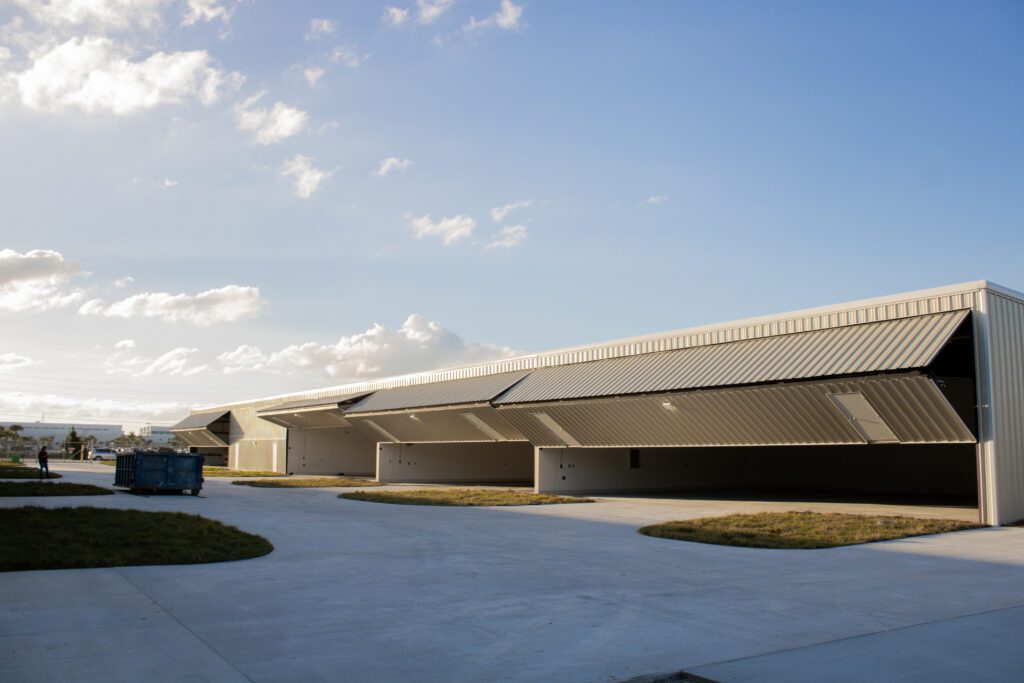
Noise isn’t just a comfort issue in industrial facilities, it’s regulated. OSHA sets standards for maximum noise exposure to protect workers. Hangars, auto shops, and factories often require sound-absorbing wall panels, acoustic barriers, and specialized flooring to minimize noise levels. These design features create safer and more productive environments.
Designing With Acoustics in Mind
Noise control is most effective when considered early in the design process. By coordinating with architects, engineers, and acoustic consultants, contractors can integrate noise reduction seamlessly rather than retrofitting after problems arise.
A Silent Mark of Quality
The best buildings don’t just look impressive, they create comfortable, functional environments for the people inside. High-end commercial construction requires attention to every detail, including the sound experience. At Brandon, we believe noise control isn’t an afterthought, it’s a cornerstone of quality construction.
Explore our commercial projects here.