When it comes to building homes along Florida’s coastline, material choice is the difference between a house that weathers the storm and one that quickly deteriorates under pressure. The Sunshine State offers incredible beauty, but it also presents unique challenges: salt-laden air, high humidity, heavy rainfall, and intense hurricanes. These conditions accelerate wear and tear on everything from roofing to fasteners. For homeowners, that means costly repairs and shortened lifespans for traditional building materials.
At Brandon Development, we’ve seen firsthand how much of an impact the right material selection makes in protecting homes. Investing in resilient materials from the start not only ensures safety but also increases property value and reduces maintenance expenses long-term.
The Impact of Coastal Conditions
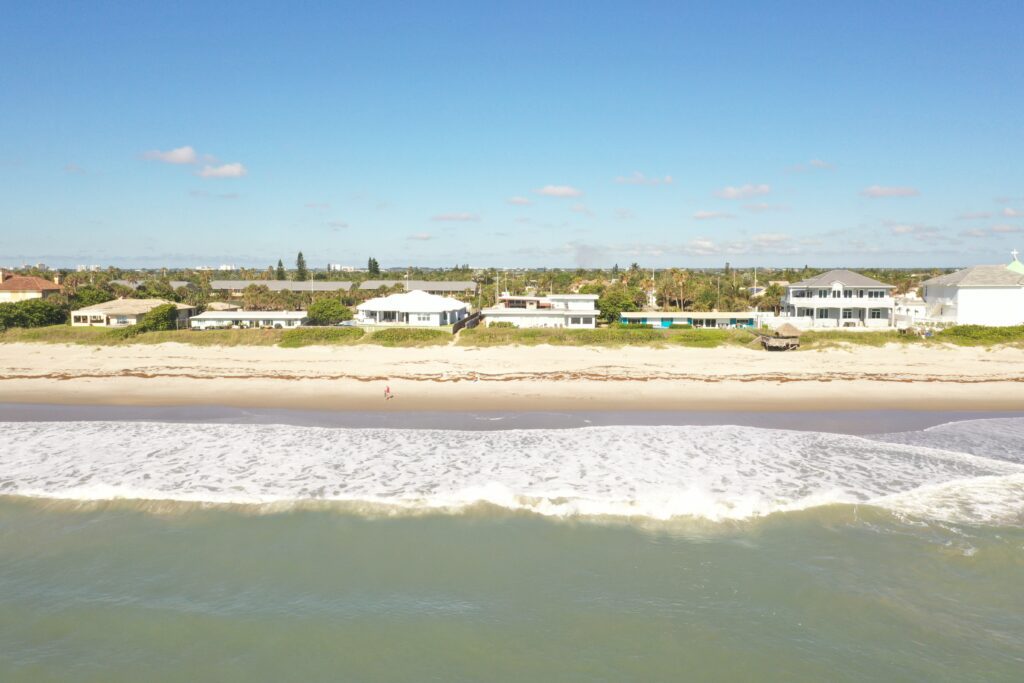
Florida’s coasts are some of the harshest building environments in the country. Salt in the air corrodes metal quickly. Constant moisture and humidity lead to mold and rot. Intense UV exposure breaks down paints, sealants, and even roofing materials. Building a coastal home isn’t just about meeting code, it’s about planning for decades of performance.
Fiber-Cement and Magnesium Oxide Siding
Traditional wood siding simply doesn’t last in these conditions. Fiber-cement siding is a durable alternative that resists rot, warping, and termites. Magnesium oxide (MgO) board is another emerging option, offering high fire resistance and moisture protection. Both provide the look homeowners want while standing up to the coastal environment.
Hurricane-Rated Windows and Doors
Impact-rated glazing systems are designed to resist windborne debris during hurricanes. Beyond safety, they also provide excellent thermal performance, which lowers cooling costs, a huge benefit in Florida’s climate. Choosing aluminum or vinyl frames with corrosion-resistant finishes further extends the lifespan of these systems.
Roofing Materials Built for Longevity
Metal roofs with marine-grade coatings are the gold standard for coastal homes. They last 2–3 times longer than shingles, resist corrosion, and can reduce insurance premiums. Clay and concrete tile roofs are also strong contenders, offering both durability and classic Florida aesthetics. New synthetic roofing products combine lightweight performance with hurricane resistance, giving homeowners more options than ever before.
Stainless Steel, Aluminum, and Composites
One of the most overlooked areas of construction is fasteners and exterior hardware. If a builder uses untreated steel, rust streaks and failures appear within a few years. That’s why Brandon uses hot-dipped galvanized or 316 stainless steel. For decks, docks, and railings, composite materials are now preferred over wood, offering decades of durability with minimal maintenance.
Advanced Insulation and Moisture Barriers
In coastal Florida, moisture control is as important as structural strength. Closed-cell spray foam insulation resists water intrusion, adds structural rigidity, and improves energy efficiency. Paired with advanced weather barriers and sealants, these systems prevent mold growth and protect indoor air quality.
Long-Term Value of Resilient Materials
While resilient materials often come with a higher upfront cost, they quickly pay for themselves. Lower insurance premiums, reduced maintenance, and increased home value are just the beginning. More importantly, they give homeowners peace of mind that their investment is safe.
Building with the right materials isn’t just about surviving the next storm, it’s about thriving in Florida’s environment for generations.
Explore our custom coastal homes here.